Professional courses
Role-based online and in-person training with clear learning outcomes and assessment requirements.
Browse coursesISA-MKD trains individuals, teams, and institutions to assess threats, plan security, and respond under pressure.
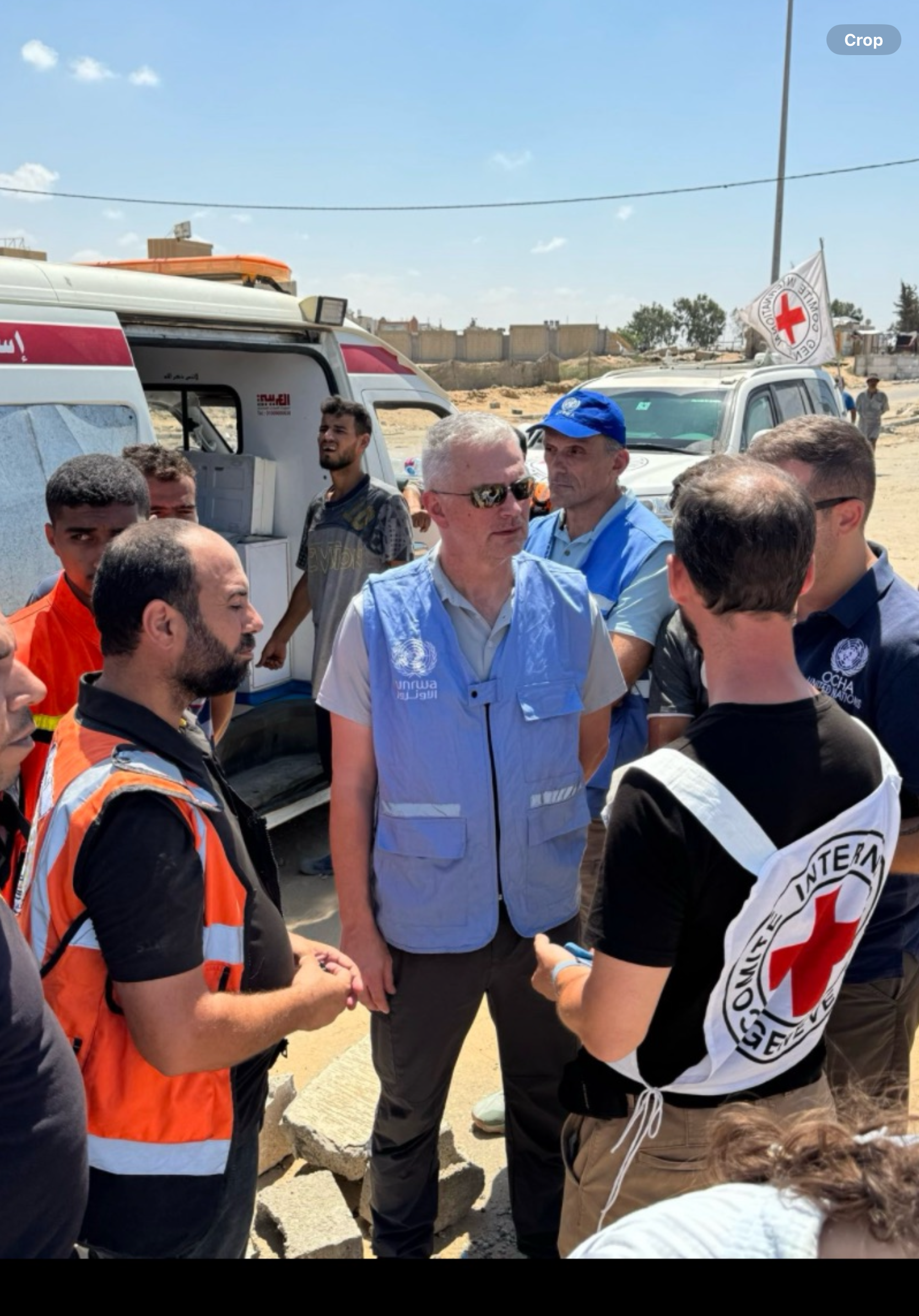
ISA-MKD uses a structured, risk-based training system to build the knowledge, judgement, and practical skills needed for security and protection roles. Through the SMART framework, its curriculum connects analysis, applied decision-making, operational execution, and performance validation. Participants develop the competence, operational discipline, and technical capability to identify threats and vulnerabilities, assess risk, document escalation and protective-response protocols, and make accountable decisions. Each programme defines learning outcomes and assessment criteria appropriate to the participant’s role, level of responsibility, and required performance.
Choose an individual course, build a programme for a team, or address an organizational security requirement.
Role-based online and in-person training with clear learning outcomes and assessment requirements.
Browse coursesFocused training for corporate staff, government personnel, police, military, and specialist teams.
Discuss team trainingRisk assessment, protection design, security-system testing, and team performance development.
View consultancyContemporary security environments are defined by transnational crime, terrorism, cyber and hybrid threats, and increasing operational complexity.
These conditions create three critical gaps:
Inconsistent planning, weak execution, and limited accountability reduce operational effectiveness.
ISA-MKD addresses this by developing professionals who plan, document, and execute within structured, controlled, and auditable frameworks.
Modern adversaries operate across borders through hybrid methods combining criminal, terrorist, and cyber capabilities.
ISA-MKD addresses this through structured threat and risk assessment, enabling individuals to develop and implement effective risk control measures that reduce the intended impact of adversary actions under real operational conditions.
Many individuals possess theoretical knowledge but lack practical experience and the ability to apply it effectively under real operational conditions.
ISA-MKD addresses this gap through scenario-based training and applied assessment designed to develop structured practice and decision-making under simulated operational pressure.
Training begins with the responsibility and ends with evidence that the required knowledge or performance has been demonstrated.
Clarify the role, operating environment, risks, and required result.
Select the relevant knowledge, practical skills, scenarios, and delivery format.
Connect learning to decisions and actions the participant must perform.
Verify competence against defined requirements and document the result.
SMART combines threat analysis, vulnerability assessment, and risk evaluation so that security decisions can be explained, documented, and tested.
Within the SMART framework, training is treated as a security measure selected according to the defined threat, identified vulnerabilities and assessed risk. It may perform a preventive function by developing capabilities that reduce the likelihood of an incident, a mitigation function by developing response capabilities that reduce its consequences, or both functions where required.



Organizations are shown as selected historical training and professional references. Their inclusion does not imply current affiliation, accreditation, endorsement, or institutional representation.

Ilija Iliev brings more than 25 years of close-protection and security experience. He created SMART to make risk assessment, planning, and operational decisions structured and traceable.